
Changing how you plan routes is a big decision. The software is only half of it. The other half is your planners, your depots, your customers’ delivery windows and the habits your team has built over years. Before anyone signs off, one question comes up again and again: has a team like ours done this, and how did it go?
That’s where customers can help. Five logistics teams tell in their own words what changed after they moved to PTV OptiFlow. All five came from PTV Route Optimiser, our legacy routing product, so their stories are a useful preview if you are weighing the same move.
Note: Every figure below belongs to the customer who reported it. Your results will depend on your own network, rules and data.
| Customer | Where they started | What they report |
|---|---|---|
| HelloFresh | PTV Route Optimiser ST | Transportation costs 7% lower right away and 16% lower over four years; planned kilometers down by more than 20% compared with plans made in PTV Route Optimiser |
| De Graaf Logistics | PTV Route Optimiser ST | Evening planning that often ran until around 1 am now takes about 1.5 hours, and the scheduling itself about 15 minutes |
| Claassen Logistics | PTV Route Optimiser ST | A plan proposal within ten minutes that needs little or no adjustment |
| Distrilog | PTV Route Optimiser ST | Fewer kilometers and driving hours, arrival predictions closer to actual, and more consistent monthly performance |
| ID Logistics | PTV Route Optimiser ST | Planning centralized across 7 depots, 1.5 to 2 hours less planning per day, 2 to 4% fewer kilometers |
HelloFresh: lower costs that kept growing
HelloFresh is a meal kit provider with 15 distribution hubs, more than 2,000 drivers and more than 500 refrigerated vehicles, planning deliveries in 2 to 4 hour slots. Its planners moved from PTV Route Optimiser to PTV OptiFlow.
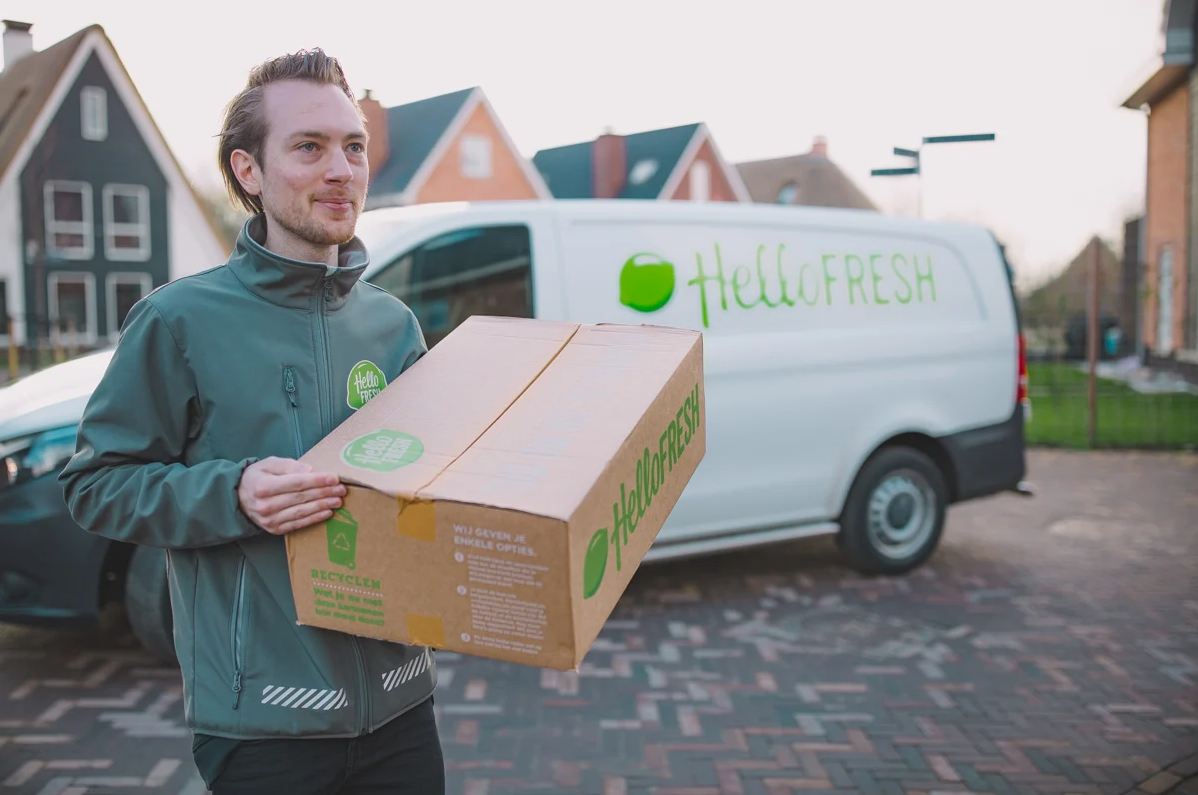
The savings showed up fast.
“We saw an immediate 7% reduction in transportation costs,” says Jasper van Dooijeweert, Associate Director of Transport Planning at HelloFresh.
Over four years, that grew to 16%. HelloFresh also reports planned kilometers down by more than 20% compared with plans made in PTV Route Optimiser. The learning curve was short too. Van Dooijeweert says planners could plan independently after just one or two days on the new interface, and cloud access let them work remotely.
De Graaf Logistics: from midnight planning to an early finish
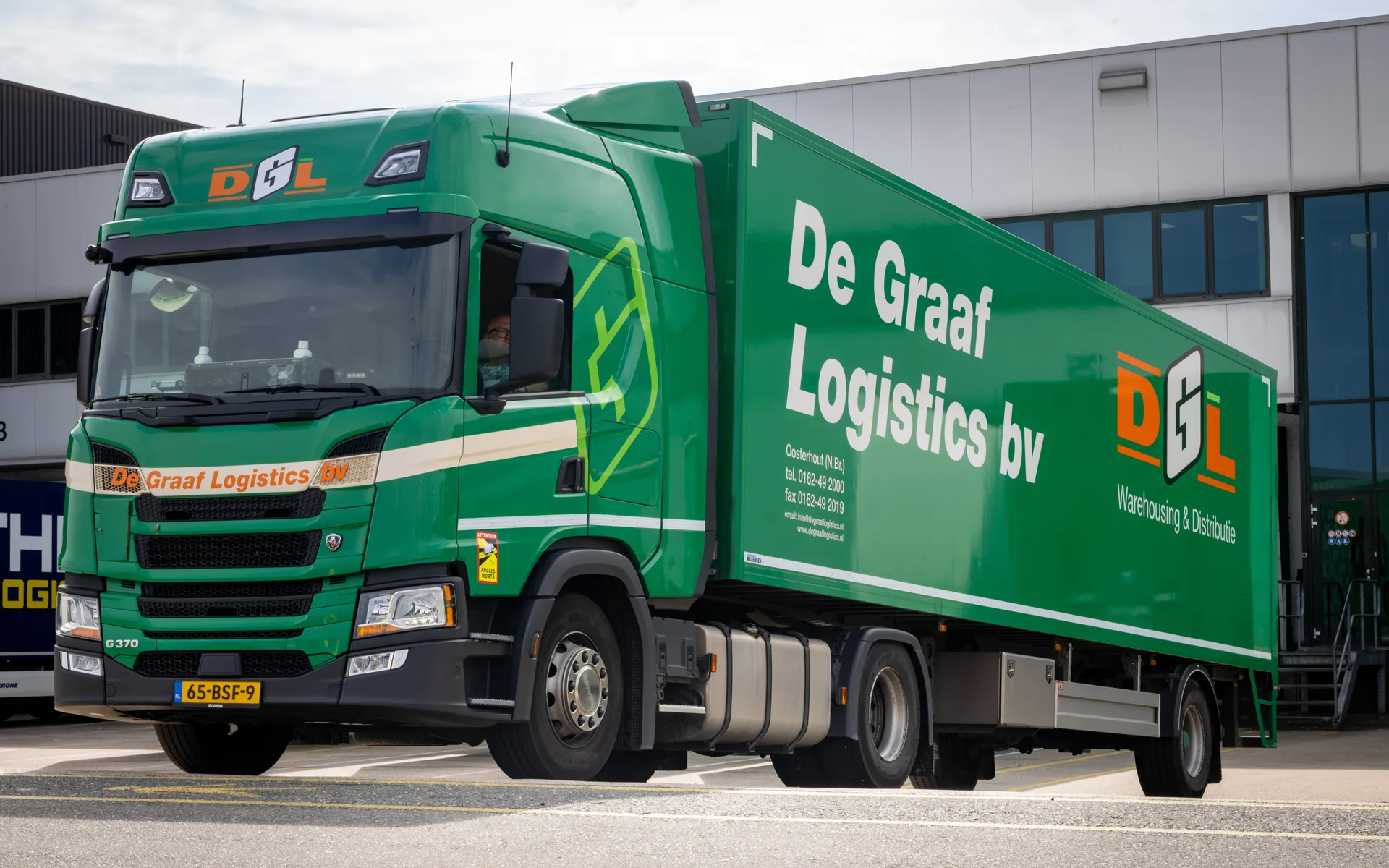
De Graaf Logistics runs 75 vehicles on urban distribution across the Benelux. It had used PTV Route Optimiser ST since 2012, a semi automated setup where the step by step process took at least three hours and often needed manual intervention.
A test with two days of data was enough to convince the team. Two experienced planners challenged the system and were impressed too. Evening planning used to start around 9 pm and often finish around 1 am. Now the planning is ready by about 10:30 pm, so the cross dock team can start earlier, and the assistant planner can handle it alone.
“The actual scheduling process takes only 15 minutes,” says Jochem Snaauw, distribution engineer at De Graaf.
Most of the 1.5 hours that remain goes into preparation.
Claassen Logistics: a plan in minutes
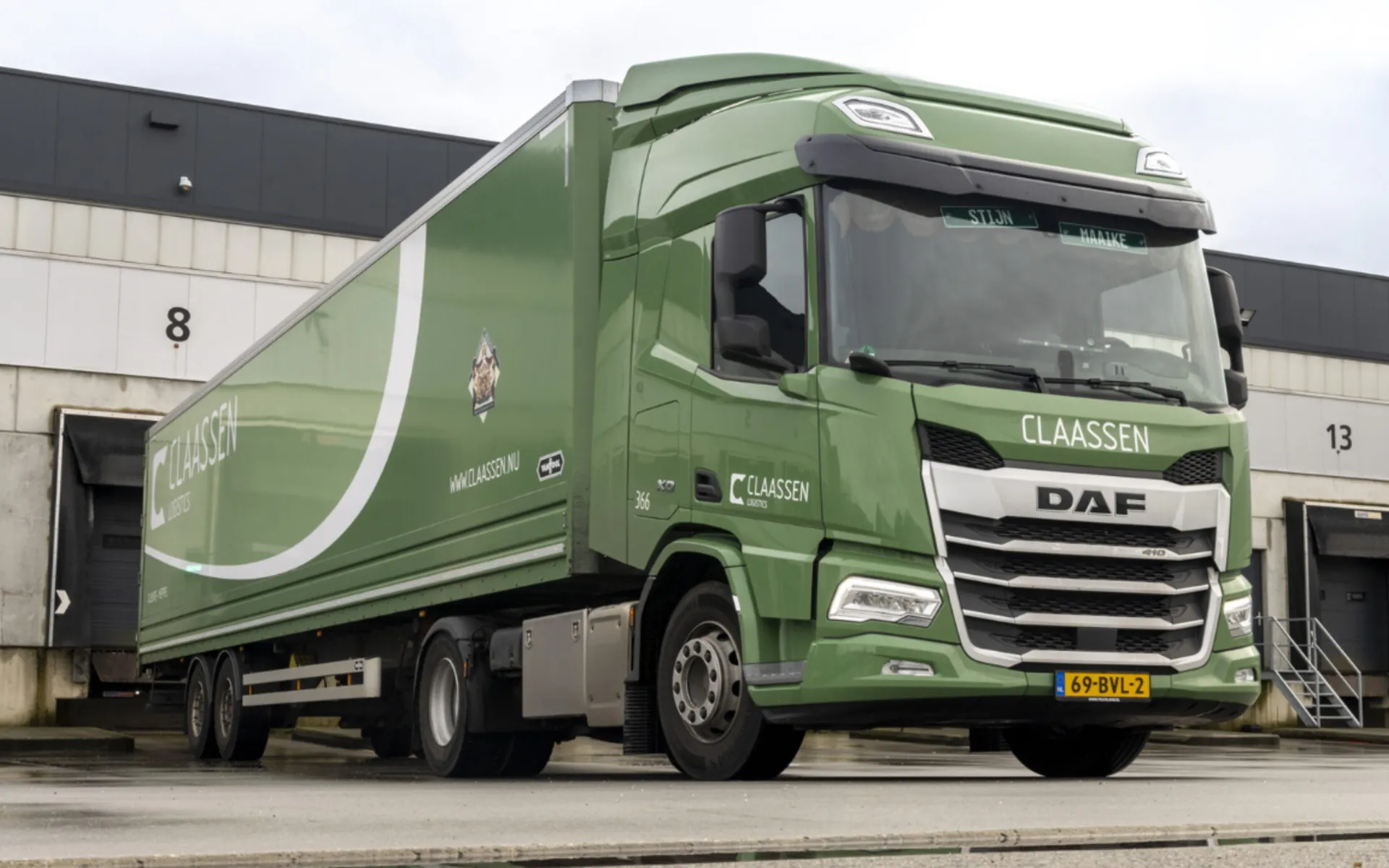
Claassen Logistics in Tilburg runs 60 to 80 trucks a day for Benelux distribution. It used PTV Route Optimiser ST for interactive planning, then looked at PTV OptiFlow after hearing about results at other distributors.
The team ran a one week trial, scheduling the same tours in both systems. PTV OptiFlow came out ahead on speed, kilometers, hours and costs, and Claassen switched permanently after further testing. Business controller Sebastiaan Kolijn says the trial made it clear how fast and powerful PTV OptiFlow’s algorithms are.
Today, PTV OptiFlow produces a plan proposal within ten minutes that needs little or no adjustment. Claassen also values the flexibility.
“In PTV OptiFlow, we can attach a fictitious penalty to each constraint,” says Kolijn.
Planners can weight rules instead of enforcing every one strictly, which reduces dependence on individual planners. Want to see how a trial like this works? Read what to expect with a PTV OptiFlow proof of concept.
Distrilog: consistency across a large network
Distrilog is a Belgian logistics provider with 350 vehicles. Its planners used PTV Route Optimiser ST, where they built a first plan and then adjusted it by hand for customer and driver preferences.
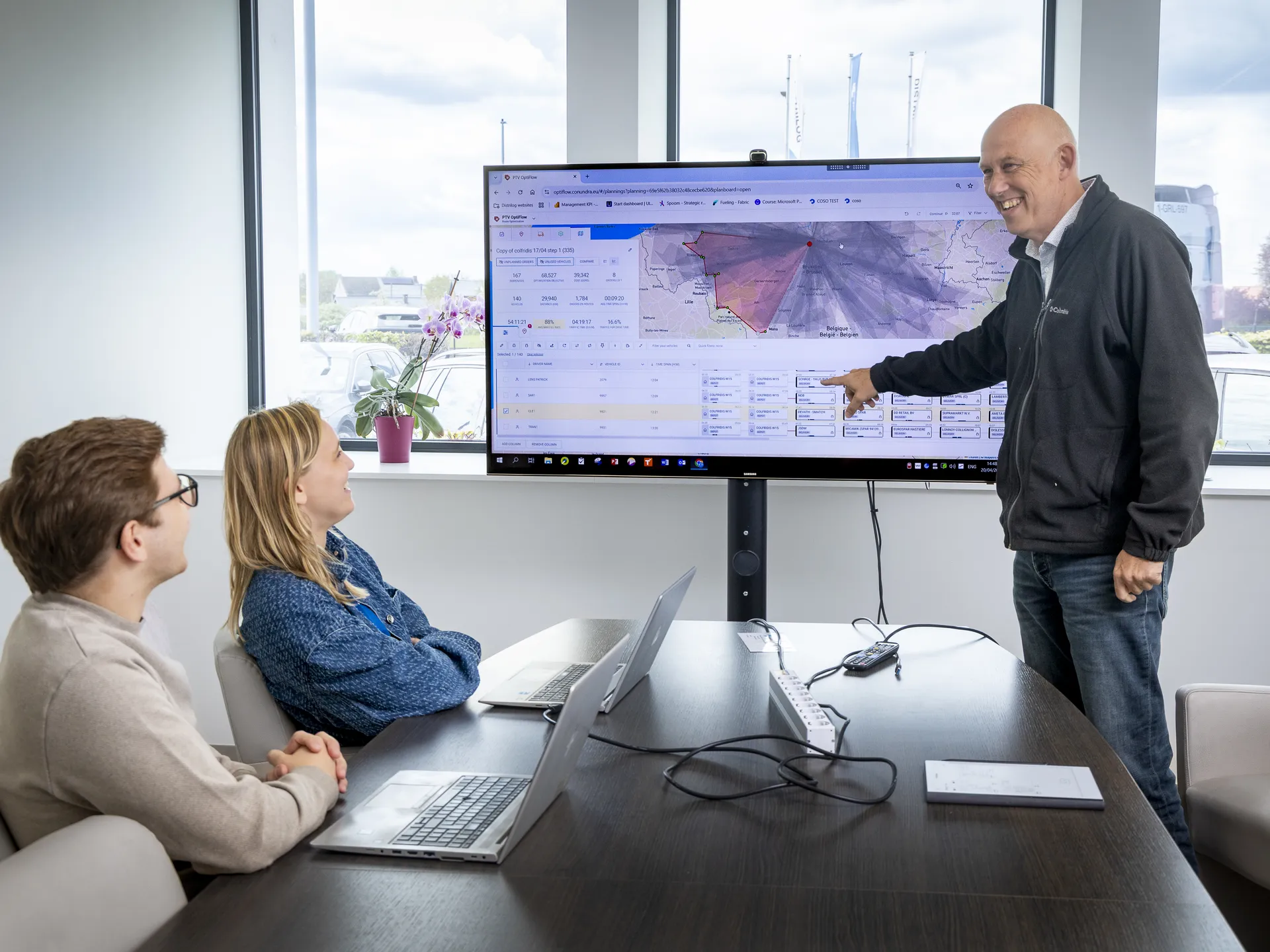
After a pilot at its Olen depot that ran about six weeks alongside the old system, Distrilog moved the rest of its distribution planning over in stages. It reports fewer kilometers and driving hours, and chilled delivery service levels several percentage points higher after only a few months.
“The most noticeable improvement is consistency,” says Gert Van den Bossche, who leads Distrilog’s Continuous Improvement Team.
Julie Dierckx, Transport Manager, adds that predicted arrival times now align much more closely with actual ones.
ID Logistics: one view across seven depots
ID Logistics used an older PTV system that did not support multi depot planning, so five of its seven depots planned their own routes.
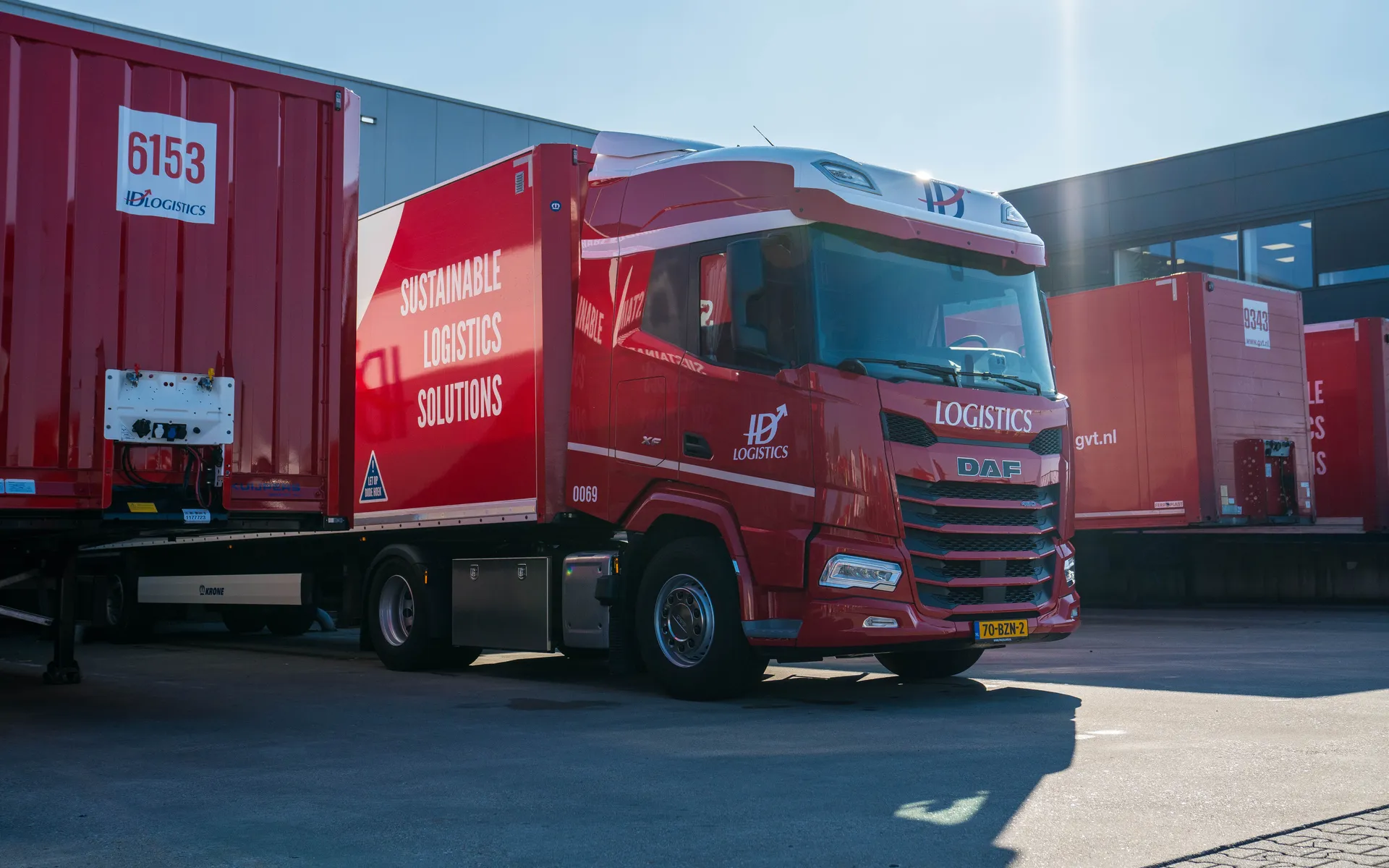
After centralizing planning in PTV OptiFlow, it handles 400 or more routes and 5,000 to 6,000 stops in one network. Evening planners went from five to two, planning takes 1.5 to 2 hours less per day, and plans use 2 to 4% fewer kilometers. ID Logistics also credits these improvements largely for its fourth Lean & Green star.
“We asked our planners to trust the algorithms and let the system do its job,” says Armand Schuffelers, Director of Transport Operations.
What these customers have in common
- A test before the commitment. De Graaf tried two days of data, Claassen ran a one week trial and Distrilog piloted for about six weeks.
- Less time building plans. Planning that took hours now takes minutes or a fraction of the time.
- A short learning curve. HelloFresh planners were independent after one or two days.
- A new role for planners. They review and adjust the plan instead of building it from scratch.
What this means for your team
If your planners spend long hours building and adjusting routes by hand, these stories are worth a close look. The real question is what your own routes would show. Start with your own numbers, and you’ll quickly see whether a story like these could be yours.